
Moissanite and cubic zirconia: a plain comparison

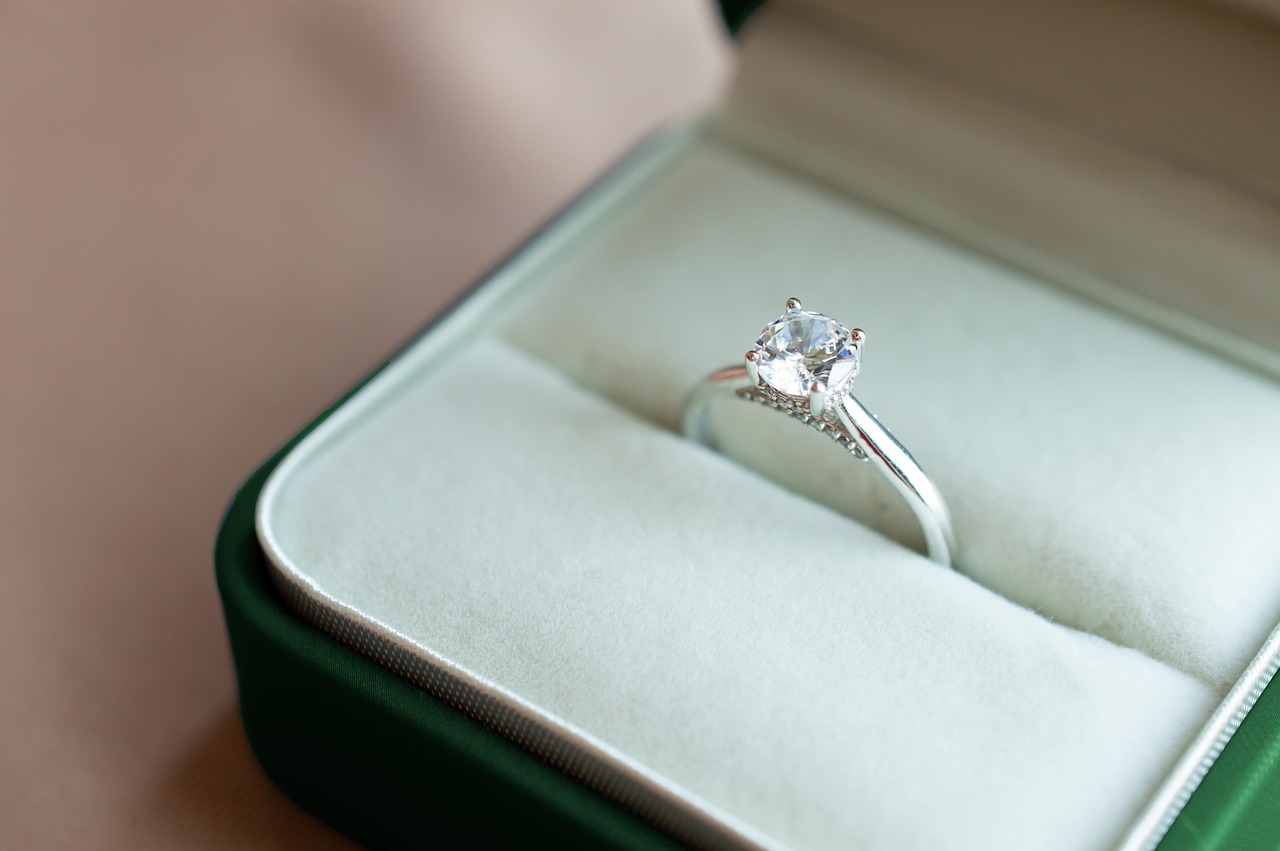
Moissanite and cubic zirconia: a plain comparison
Moissanite and cubic zirconia are both sold as diamond alternatives, they are both colourless and sparkling, and they are two completely different materials with a large gap between them in price and in durability. This page explains the gap.
What each one actually is
Cubic zirconia, usually shortened to CZ, is zirconium dioxide grown in a laboratory. It has been made commercially since the 1970s and it is inexpensive to produce in any size. It is the stone in the overwhelming majority of affordable sparkling jewelry, including most of the boxed sets on this site.
Moissanite is silicon carbide. It occurs naturally, but only in quantities far too small for jewelry — the moissanite in a pendant is grown in a laboratory. It is considerably more expensive to produce than CZ, and considerably cheaper than diamond.
Neither is a diamond and neither should be described as one.
Hardness, which is what decides how long it looks new
On the Mohs scale, diamond is 10, moissanite is about 9.25, and cubic zirconia is about 8 to 8.5.
The scale is not linear, and the practical consequence is straightforward: moissanite resists scratching about as well as sapphire does, while cubic zirconia does not. A CZ worn daily in a ring or a bracelet gradually collects fine surface scratches, the facet edges soften, and after a year or two it looks cloudy compared with the day it arrived. This is the most common complaint about CZ and it is entirely real.
A CZ in a pendant, which touches almost nothing, lasts far longer than the same stone in a ring. Where the stone sits matters more than the stone.
How they look different
Moissanite disperses light more strongly than diamond — noticeably more. That produces the flashes of rainbow colour that people either love or find obviously artificial. In a large stone under bright light it is unmistakable; under ordinary indoor light it simply reads as very bright.
Cubic zirconia disperses light more than diamond too, but with a glassier, whiter brilliance and less fire. When it is new it is genuinely convincing at arm’s length. It is the ageing, not the initial appearance, that separates it.
Weight, if you ever handle both
Cubic zirconia is dense — roughly 1.7 times the weight of a diamond of the same size. Moissanite is slightly lighter than diamond. Two identical-looking stones can therefore feel quite different in the hand, which is one of the ways jewelers tell them apart without instruments.
Carat, and why moissanite is measured in millimetres
Because the densities differ, a “one carat” moissanite and a one carat diamond are not the same size. Reputable moissanite sellers therefore quote millimetre dimensions or “diamond equivalent weight” rather than carats. Where a manufacturer supplies a millimetre measurement, we list it, because it is the number that tells you how big the stone looks.
Which one to buy
The honest answer depends entirely on where the stone will live.
- A pendant worn regularly — cubic zirconia is fine. It hangs clear of surfaces, it is barely handled, and it will look good for years. Paying moissanite money for a pendant stone buys durability you will not use.
- A ring or a bracelet worn daily — moissanite, if the budget allows. This is where CZ genuinely disappoints, and where the hardness difference translates directly into how the piece looks in two years.
- A gift set, or occasional wear — cubic zirconia, comfortably. Occasional wear plus proper storage means the stone never gets the abrasion that damages it.
Looking after either one
Both clean the same way: warm water, a drop of plain washing-up liquid, a soft brush around the setting, rinse and dry. What dulls both is not dirt on the stone but a film of skin oil and lotion on the underside, where light enters. A stone that has “gone dull” has usually just gone greasy underneath.
The setting is usually the weak point rather than the stone. Check prongs occasionally by pressing gently — if a stone moves at all, stop wearing it and bring it in.
What our listings say
Where a manufacturer names the stone, the listing names it. Where a manufacturer says only “crystal” or “sparkling stone”, the listing says that rather than upgrading the description to something that sells better. No piece on this site is described as a diamond, because we do not sell one.
Where these pieces sit
The moissanite pendants are on the pearl and moissanite necklaces page. The cubic zirconia and crystal-set pieces are spread across everyday pendant necklaces and the boxed gold plated jewelry sets, and the stone-set bracelets are on the bracelets and bangles page.
If you want to compare the two side by side under real light, both are in the case at the counter. That comparison takes about ten seconds in person and cannot be done from a photograph at all.